
Fashion Supply Chains in Crisis: What the Supreme Court Ruling Means for You
How recent supply chain disruptions are reshaping fashion. What it means for your wardrobe strategy and how to shop smarter in 2026.
Inspired by Businessoffashion
Fashion Supply Chains in Crisis: What the Supreme Court Ruling Means for You
February 21, 2026 | Fashion Editorial

(blank line)
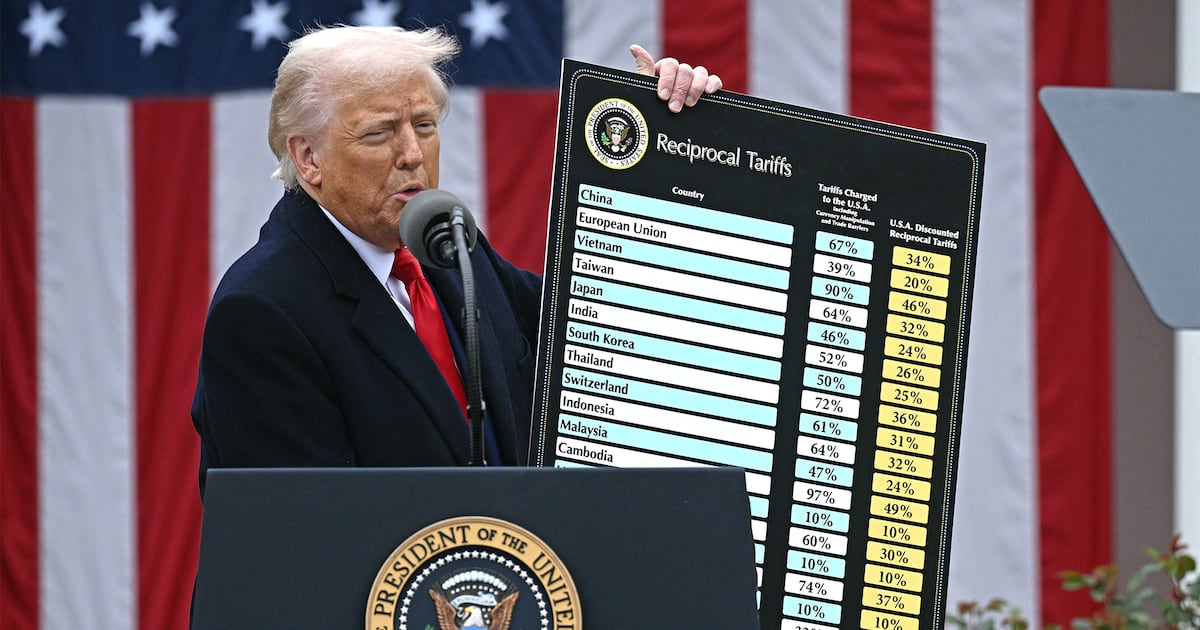
The fashion world is buzzing about a recent Supreme Court decision that's forcing brands to rethink how they source and manufacture their goods. Last week's ruling, challenging the process used to implement Section 301 tariffs on goods from China [link to reputable news source explaining the ruling, e.g., Reuters or NYT], has significant implications for the industry – and ultimately, for your wallet. These tariffs, initially imposed during the Trump administration, effectively acted as a tax on everything from cashmere sweaters to leather handbags, quietly inflating prices and influencing brand strategies. While the ruling itself doesn't automatically trigger refunds of previously paid duties, it does open the door for individual companies to pursue legal action to attempt recouping those funds. It's a complex legal process, and success isn't guaranteed, but the potential impact is substantial. While estimates suggest the total value of tariffs imposed could reach billions across various industries, the legal battles to reclaim those funds are just beginning.
The immediate impact is a sense of cautious optimism for many brands. The possibility of reclaiming duties offers a potential boost, which could be invested in areas like sustainable material sourcing, innovative production technologies, or, ideally, more competitive pricing. However, it’s vital to understand that this ruling doesn't signify a return to a tariff-free world. It focused on the method used to implement the tariffs – highlighting that they bypassed congressional authority – rather than eliminating the tariffs themselves.
What's truly noteworthy is how this decision accelerates trends already reshaping the fashion supply chain. The pandemic exposed vulnerabilities, and these tariffs are only intensifying the pressure to diversify. Relying heavily on a single sourcing region, like China, has proven risky. A recent report from Supply Chain Dive [link to Supply Chain Dive article] identified nearshoring, reshoring, and increased supply chain resilience as key trends expected to shape the industry by 2026 – and this Supreme Court ruling is a significant catalyst for action.
Expect to see brands actively exploring alternative manufacturing hubs. Southeast Asia (particularly Vietnam and Bangladesh), Mexico, and Eastern Europe (like Romania and Bulgaria) are gaining traction. This shift isn't solely about chasing lower labor costs; it's about building agility and mitigating risk. Consider the disruptions many brands faced when production in China ground to a halt during lockdowns – a stark reminder of the need for alternatives. “The pandemic and these tariffs have really highlighted the fragility of the global supply chain,” says Anya Sharma, founder of sustainable fashion consultancy, Ethos Sourcing. “Brands are realizing they need more control and visibility over their production.”
However, this shift isn’t without its challenges. Rebuilding complex supply chains demands significant investment, time, and specialized expertise. Quality control, ethical labor practices, and environmental sustainability – increasingly important to consumers – become even more critical when diversifying production. We've seen companies face backlash for relocating manufacturing only to encounter new labor or environmental issues in their new locations, demonstrating that simply shifting production isn’t a solution.
So, what does this mean for you, the fashion-conscious consumer? While the immediate impact on retail prices might be subtle, the long-term effect could be a stabilization of prices, although broader economic factors like inflation will likely play a larger role. More importantly, it should encourage a more informed and considered approach to purchasing. Look beyond the price tag. Research brands and prioritize those that are transparent about their sourcing and manufacturing practices. Ask questions: Where are your clothes made? What are your labor standards? What steps are you taking to minimize your environmental impact?
This Supreme Court ruling isn't just a legal footnote; it’s a powerful catalyst for change. It's a moment for the fashion industry to move away from outdated models and embrace a future defined by resilience, diversification, and a genuine commitment to responsible practices. The journey will undoubtedly be complex, but the potential rewards—for both brands and consumers—are significant. The future of fashion is being actively reshaped, one legal challenge and supply chain adjustment at a time.
Keywords: fashion, tariffs, supply chains, nearshoring, reshoring, ethical sourcing, sustainable fashion, China trade, Section 301, Vietnam, Bangladesh, Mexico, Romania, Bulgaria.
Internal Links: [Link to a post about ethical fashion], [Link to a post about sustainable materials]
Inspired by coverage from Businessoffashion. All content is original and does not reproduce source material.
Keep Reading
Best Wardrobe Apps in 2026: 10 Closet Apps Tested & Ranked
We tested 10 wardrobe and closet organiser apps for three months. Here's an honest ranking of which digital wardrobe apps are actually worth downloading in 2026.
Best Free Wardrobe Apps in 2026: No Subscription Required
Not every wardrobe app needs a monthly subscription. We tested the best free closet organiser and outfit planner apps available in 2026.