Future-Proof Your Fashion Career: AI, Sustainability & New Roles in 2026
The fashion industry, long romanticized as a haven for creativity, is facing a significant shift. While runway shows and glossy editorials still capture the imagination, breaking in is becoming increa…
Inspired by Businessoffashion
Future-Proof Your Fashion Career: AI, Sustainability & New Roles in 2026
February 11, 2026 | Fashion Editorial

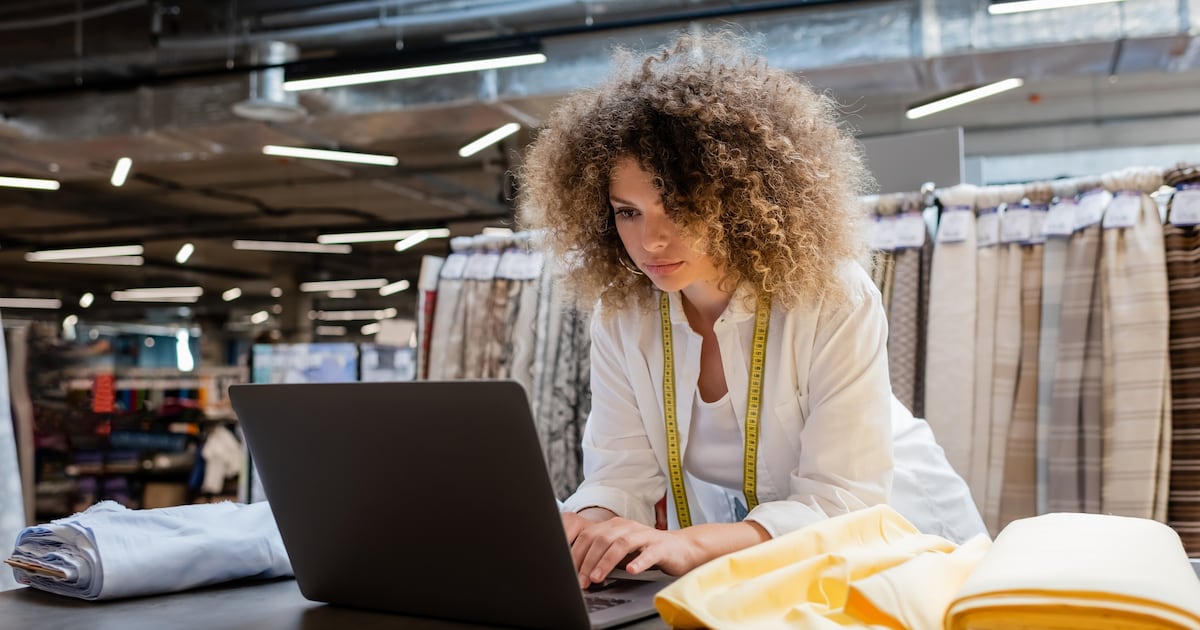
The fashion industry, long romanticized as a haven for creativity, is facing a significant shift. While runway shows and glossy editorials still capture the imagination, breaking in is becoming increasingly challenging. It’s no longer solely about talent; it’s about navigating a landscape reshaped by economic changes, technological advancements, and a growing demand for ethical and sustainable practices. Imagine a recent design school graduate, brimming with ideas, finding traditional entry points – those coveted internships and assistant roles – significantly reduced. Is the dream still attainable? Absolutely, but the path requires a new approach.
Recent reports from The Business of Fashion (https://www.businessoffashion.com/news/global-news/fashion-jobs-entry-level-positions-layoffs) have highlighted a contraction in entry-level fashion jobs, a trend that extends beyond a simple economic slowdown. The rise of artificial intelligence is fundamentally changing workflows, augmenting roles rather than outright replacing them. For example, companies like Stitch Fix are leveraging AI for personalized styling recommendations, shifting the focus for stylists towards higher-level curation and client relationship management. While AI offers exciting possibilities for innovation – like generative AI tools assisting with initial design explorations – it’s also reshaping the traditional career ladder and demanding new skillsets.
So, how can aspiring fashion professionals thrive? The answer lies in a blend of adaptability and a proactive approach. Networking remains crucial, but it’s evolved. Think beyond attending industry events; focus on building genuine connections. A simple informational interview – a brief, respectful request to learn from someone’s experience – can open doors. Instead of just asking "What's it like to be a designer?", try "I'm particularly interested in how you're leveraging data analytics to understand consumer preferences – could you share your insights?" This demonstrates genuine interest and initiative.
Beyond traditional pathways, we’re seeing a surge in micro-internships, freelance opportunities, and the strategic development of personal brands. Designers are increasingly leveraging platforms like Instagram and TikTok to showcase their work and connect directly with consumers, as explored in Vogue (https://www.vogue.com/article/tiktok-fashion-influencers-brand-partnerships). Consider creating a digital portfolio that goes beyond static images; incorporate videos, mood boards, and even interactive elements to truly showcase your unique perspective. This isn't about self-promotion; it's about demonstrating your passion and understanding of the industry. One emerging trend is the rise of "virtual stylists" leveraging AI and social media to build personal brands and offer remote styling services – a potential avenue for those interested in blending technology and fashion.
The industry’s focus on sustainability isn't a fleeting trend; it's a business imperative. Consumers are demanding transparency and accountability, and brands that fail to adapt risk becoming irrelevant. This creates opportunities for those with expertise in circularity, ethical sourcing, and responsible production. For instance, brands like Patagonia have built their entire ethos around sustainability, creating a loyal customer base and a competitive advantage. Specializing in areas like sustainable design, textile innovation (such as lab-grown leather or recycled materials), or supply chain management will be increasingly valuable. We’re also seeing a rise in resale platforms like ThredUp and The RealReal, creating new roles in authentication, merchandising, and technology.
The recent restructuring at Saks Fifth Avenue, while painful for those affected, underscores a broader shift in the retail landscape. The department store model is evolving, and Saks is responding by streamlining operations and focusing on digital channels. This highlights the need for fashion professionals to understand the complexities of retail and embrace new technologies. It's not enough to simply design beautiful clothes; you need to understand how they’ll be sold and consumed – and increasingly, that means understanding e-commerce, data analytics, and omnichannel marketing.
For aspiring fashion professionals, the current climate demands more than just talent; it requires resilience, ingenuity, and a proactive mindset. Don't wait for opportunity to knock; create it. Embrace unconventional approaches, build a strong personal brand, and cultivate a deep understanding of the industry’s challenges – and the opportunities they present. While the algorithm is reshaping the landscape, the atelier, and the enduring human creativity it embodies, remains indispensable. What specific skills are you focusing on to prepare for the future of fashion? Share your thoughts and predictions in the comments below! And be sure to check out our other articles on [link to relevant blog post 1 - e.g., "The Rise of the Virtual Stylist"] and [link to relevant blog post 2 - e.g., "Sustainable Textiles: A Guide to Innovation"] for more career advice.
Meta Description: Explore the future of fashion careers in 2026! Learn how AI, sustainability, and new technologies are reshaping the industry and what skills you need to thrive.
Inspired by coverage from Businessoffashion. All content is original and does not reproduce source material.
Keep Reading
Best Wardrobe Apps in 2026: 10 Closet Apps Tested & Ranked
We tested 10 wardrobe and closet organiser apps for three months. Here's an honest ranking of which digital wardrobe apps are actually worth downloading in 2026.
Best Free Wardrobe Apps in 2026: No Subscription Required
Not every wardrobe app needs a monthly subscription. We tested the best free closet organiser and outfit planner apps available in 2026.